
Low ferritin. Tired all the time. Handed a box of iron tablets and told to come back in three months.
Sound familiar?
Here’s what I want you to know: that’s not the full picture. And for most of the women I work with, it’s not the right starting point either.
Because low iron is never just a low iron problem. It’s a signal — one that deserves a root cause investigation, not a reflexive prescription.
Full Iron Studies. Always.
In my practice I never look at ferritin in isolation. I run full iron studies — serum iron, transferrin saturation, TIBC, and ferritin together — because the story is always in the pattern. A low ferritin with normal serum iron and normal transferrin saturation tells a very different story to a low ferritin with low serum iron and elevated TIBC. The first may reflect suboptimal intake or early depletion. The second points toward true iron deficiency with active tissue demand. Treating both identically is a clinical oversight.
And then we ask the root cause question. Because the why matters enormously:
- Inadequate dietary intake
- Heavy menstrual bleeding — one of the most common and most overlooked drivers of iron depletion in women of reproductive age
- Poor absorption — from gut inflammation, low stomach acid, coeliac disease, or dysbiosis
- Nutrient cofactor deficiencies that are preventing iron from being properly utilised even when intake is adequate
- Chronic inflammation driving hepcidin upregulation, which actively suppresses iron absorption regardless of how much iron is being taken.
These are very different clinical pictures. They require very different approaches. Giving someone ferrous sulfate without answering these questions first is, at best, incomplete.
Why Synthetic Iron Often Makes Things Worse
Synthetic iron — ferrous sulfate, ferrous fumarate, ferrous gluconate — can move numbers on a blood test. But the trade-offs are significant and frequently underestimated.
Non-heme iron in supplement form generates a significant oxidative load in the gut. It alters the composition of the intestinal microbiome, reduces levels of beneficial Lactobacillus and Bifidobacterium species, and contributes to gut mucosal inflammation. For women who already have compromised gut health — which in my experience is most women presenting with low iron — this is not a neutral intervention.
The gastrointestinal side effects aren’t incidental. They’re mechanistic. Constipation, nausea, stomach cramping, and bloating are the direct result of what unabsorbed iron does in the colon. And they’re the primary reason most women abandon the supplement before it has any meaningful clinical impact.
There’s also a deeper issue: iron doesn’t work in isolation. Its absorption, transport, and utilisation depend on a network of cofactors that synthetic iron simply doesn’t provide:
- Vitamin A (retinol) mobilises iron from storage
- Copper supports ceruloplasmin and ferroxidase activity — enzymes critical for iron transport out of cells and into circulation
- Folate and B12 are essential for the red blood cell formation that iron is ultimately being used for
- Riboflavin (B2) supports iron mobilisation and the reduction of ferric iron to its absorbable ferrous form
Ferrous sulfate is a single isolated compound dropped into a system that requires an entire nutritional ecosystem to function. It’s not surprising that it often falls short.
How Nature Packaged Iron
These cofactors aren’t obscure or hard to source. They’ve always been packaged together in the same foods.
Organ meats — particularly liver and spleen — were foundational to virtually every traditional food culture because they worked. Before iron tablets, before IV infusions, people ate organ meats to recover from illness, rebuild after blood loss, and support pregnancy. This wasn’t intuition. It was observation over generations.
Liver provides heme iron in its most bioavailable form alongside retinol, B12, folate, riboflavin, and copper — the precise cofactors required to absorb, transport, and utilise it. The spleen is an even more concentrated source of heme iron specifically, rich in haemoglobin and myoglobin from its central role in red blood cell recycling. When you eat liver and spleen, you’re getting iron within the nutritional matrix in which it naturally occurs — exactly as the body evolved to receive it.
The Practical Solution
Most women are not going to eat organ meats twice a week. That’s not a failure of commitment — it’s just reality.
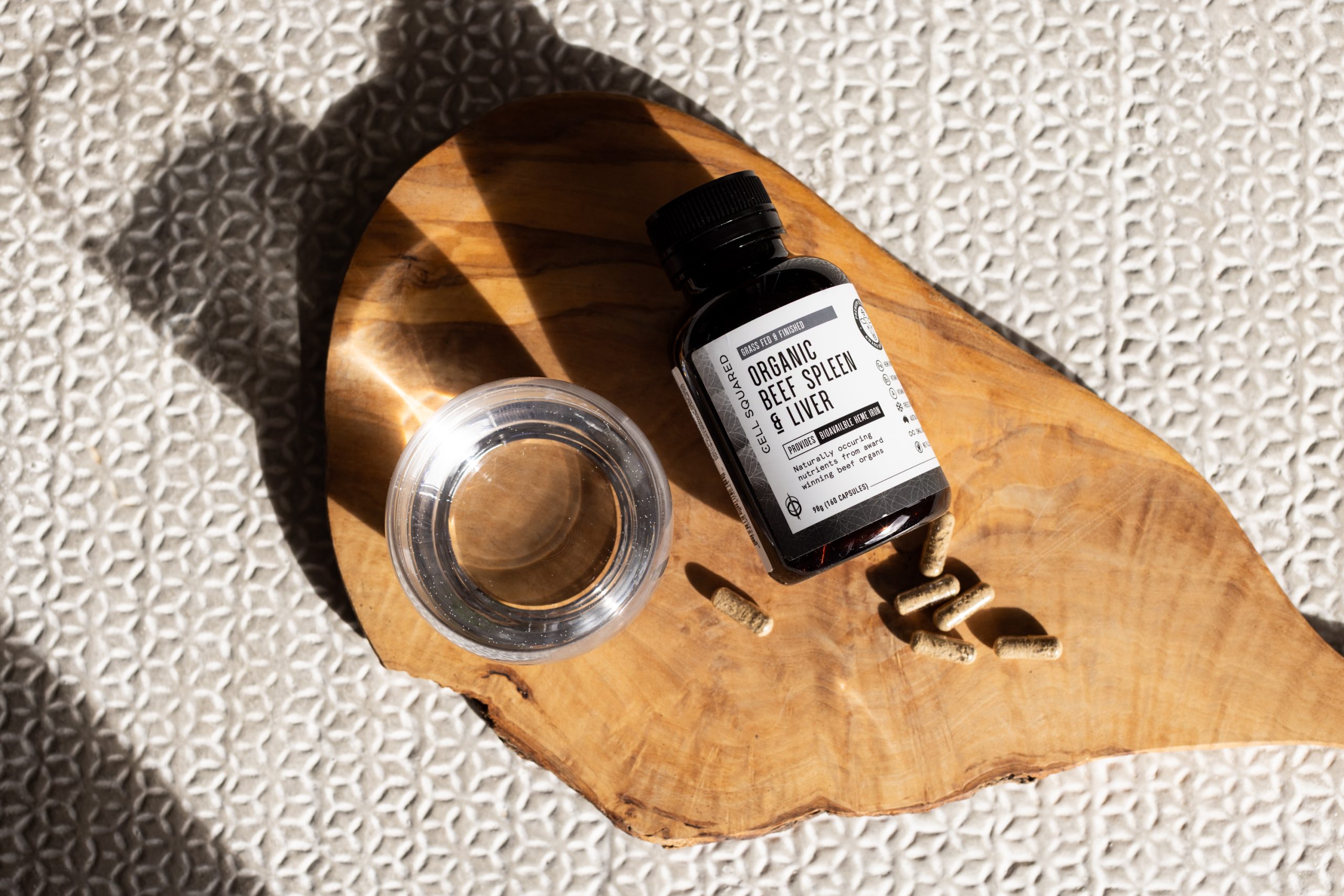
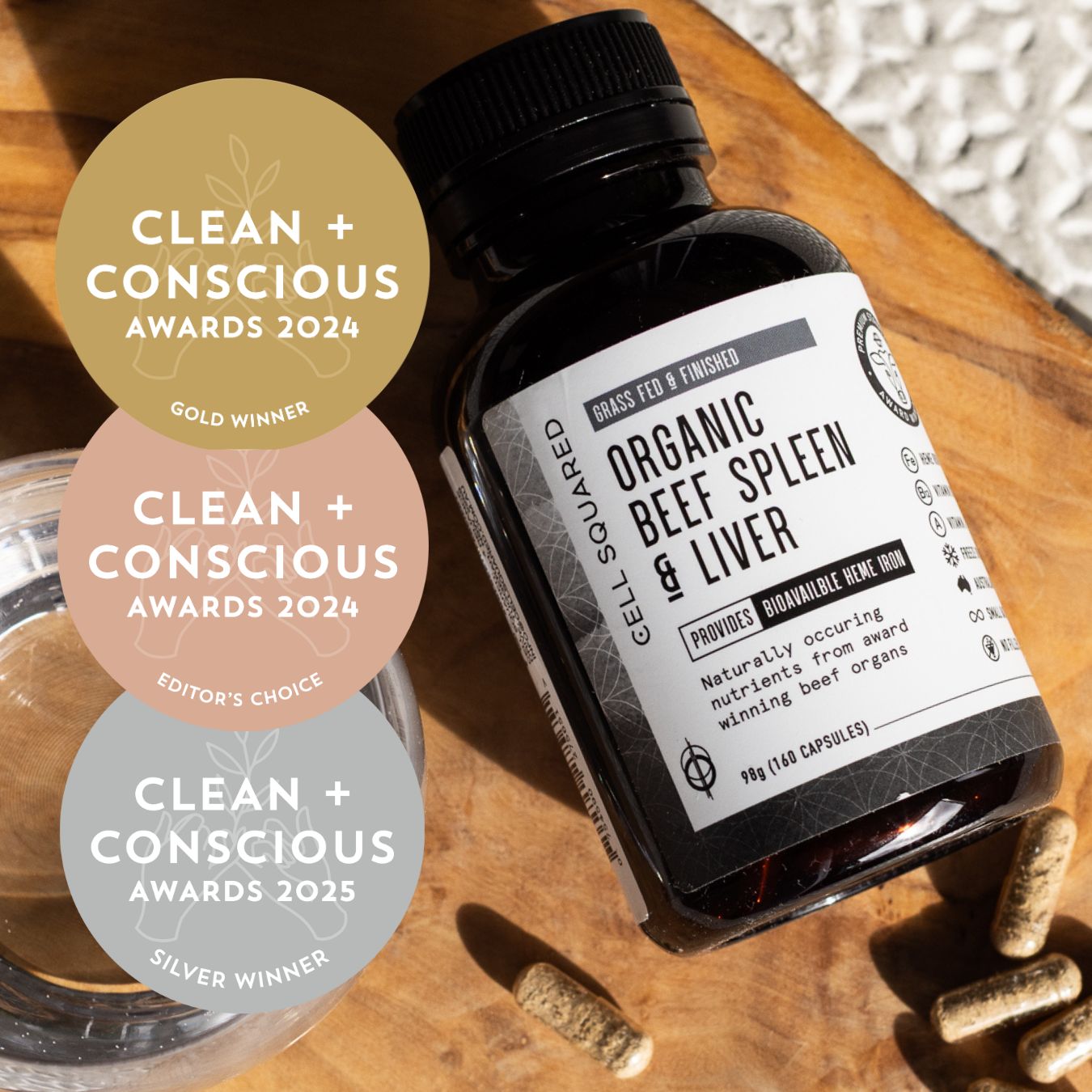
This is why I use Cell Squared Organic Beef Spleen & Liver Capsules in clinical practice. Made from 100% freeze-dried, certified organic, grass-fed, pasture-raised Australian and New Zealand beef liver and spleen — no fillers, no synthetic additives. Each serving provides heme iron with naturally occurring retinol, B12, folate, riboflavin, and copper. The whole food, in a capsule.
For women rebuilding iron through a food-first approach — or supporting nutritional foundations alongside clinical treatment — this is the most clinically logical strategy I’ve found. Better tolerated than synthetic iron, complete nutritional context, no microbiome disruption.
Shop the capsules
Cell Squared Organic Beef Spleen & Liver Capsules: concentrated heme iron with the cofactors it needs.
Shop Spleen & Liver Capsules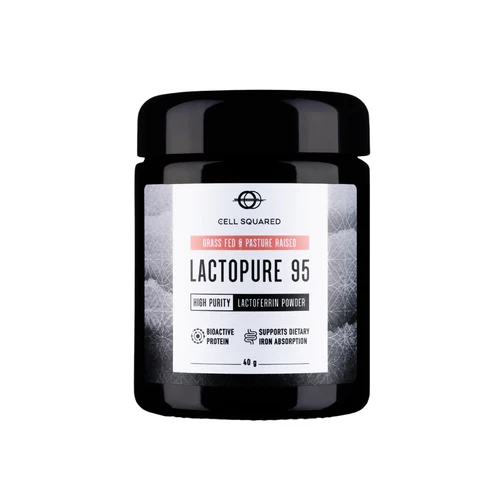
Pair it with LactoPure 95
Use code TNNLACTO for a limited time discount of $20 off LactoPure 95.
Shop LactoPure 95When Therapeutic Iron Is Still Warranted
To be clear: there are absolutely situations where targeted iron supplementation or IV iron is clinically appropriate. Active haemorrhage, pregnancy, post-surgical depletion, or severe iron deficiency anaemia require targeted medical management, and I support that entirely.
But for the majority of women presenting with suboptimal ferritin, persistent fatigue, and reduced exercise tolerance — the conversation starts with asking why. Not with writing a script.
Masterclass, now on demand
Rethinking Low Iron
Want the full clinical picture? Rethinking Low Iron covers why your ferritin number doesn’t tell the whole story, how to interpret your iron studies, the root causes, the reference ranges, and why most iron supplements fail.
Get Rethinking Low Iron