
If you’ve ever been told your iron is low and handed a prescription for ferrous sulfate (i.e. Ferro-grad or Ferro-grad C), you’re not alone. It’s one of the most common conversations I have with clients — and one of the most nuanced.
Because here’s the thing: low iron is never just a low iron problem.
It’s a signal. And when we skip past the signal and go straight to a supplement, we miss the opportunity to ask the most important question: why is your iron low in the first place?
The Root Cause Question Matters
In my practice, I run full iron studies — not just ferritin — because the picture is never complete without looking at serum iron, transferrin saturation, and TIBC alongside ferritin. A GP might flag a low ferritin and suggest an over-the-counter supplement or an infusion. What they often don’t ask is: is there inadequate intake? Poor absorption? Chronic inflammation affecting how iron is being stored and transported? Blood loss? A nutrient deficiency preventing proper utilisation?
Each of these requires a different approach. And reaching for a synthetic iron tablet before answering these questions is, at best, incomplete clinical thinking.
Why I’m Cautious About Synthetic Iron
Synthetic iron — typically ferrous sulfate, ferrous fumarate, or ferrous gluconate — can raise iron on a blood test. But it comes with some significant trade-offs.
First, it’s highly reactive in the gut. The lumenal oxidative load from non-heme iron can disrupt the intestinal microbiome, contribute to gut inflammation, and cause the well-known side effects of constipation, nausea, and bloating that send most women straight to the bin with their prescription halfway through.
Second, iron doesn’t work alone. For iron to be properly absorbed, transported, and utilised, it needs a network of cofactors — vitamin A (retinol) to mobilise iron from storage, copper to support ceruloplasmin and ferroxidase activity (which are critical for iron transport), B12 for healthy red blood cell formation, and adequate protein to synthesise haemoglobin and ferritin itself.
Synthetic iron in isolation doesn’t provide any of this context.
How Nature Packaged Iron
This is where I want to shift the conversation — because the nutrients needed to absorb and utilise iron aren’t hard to find. They’re packaged together in the same foods.
Organ meats — particularly liver and spleen — have been used across virtually every traditional food culture to support energy, strength, and recovery. Before we had iron tablets, before we had IV infusions, people ate liver. And it worked, because liver and spleen are extraordinary sources of heme iron alongside the exact cofactors required to use it: retinol, B12, copper, folateand riboflavin. The spleen in particular is one of the most concentrated dietary sources of heme iron available. It plays a central role in red blood cell recycling and is exceptionally rich in the haemoglobin and myoglobin that provide bioavailable iron in its most absorbable form.
What I Recommend Instead
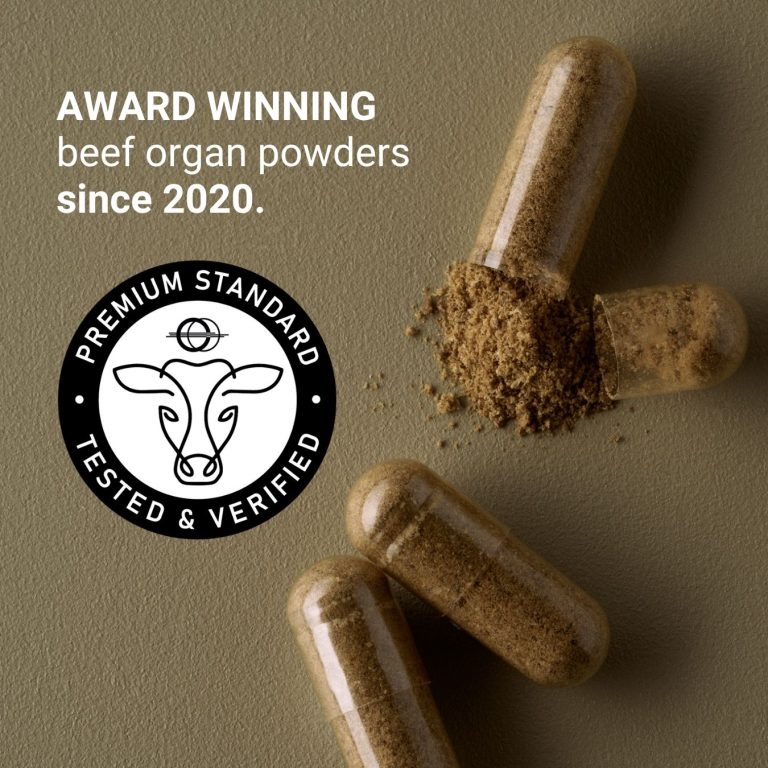
For women looking to support iron levels through a food-first approach — or as an adjunct to clinical treatment — I recommend Cell Squared Organic Beef Spleen & Liver Capsules. These are made from 100% freeze-dried pasture-raised, certified organic beef liver and spleen — no fillers, no synthetic additives, no compromise.
Each serving provides heme iron alongside naturally occurring vitamin B12, folate, retinol (vitamin A), copper and riboflavin – nutrients that work synergistically within the same food matrix in which they’ve always existed.
For women who can’t stomach the taste or texture of organ meats (which, let’s be honest, is most of us), capsules make this a genuinely accessible strategy.
When Targeted Supplementation Is Still Appropriate
There are absolutely situations where therapeutic iron supplementation — or IV iron — is clinically warranted. Active haemorrhage, pregnancy, post-surgical depletion, or severe deficiency anaemia require targeted medical management. This isn’t a blanket recommendation to avoid iron therapy.
But for the majority of women presenting with suboptimal ferritin, fatigue, and reduced exercise tolerance without a clear pathological cause, a whole-food strategy is often more effective, better tolerated, and far more aligned with supporting long-term metabolic resilience than reaching for a synthetic compound in isolation.
The Bigger Picture
Iron matters. But how we support iron status — and what questions we ask before we do — matters even more.
If you’re tired of cycling through iron tablets that make you feel worse, or being told your levels are ‘fine’ when you know something is off, this is exactly the conversation I’m here to have.
You can find the Cell Squared Beef Spleen & Liver Capsules I recommend in clinic here.